
"coffee second crack"
600 article(s) found

Introduction of coffee roasting stage introduction of coffee roaster introduction of roasting degree of different coffee beans
To sum up, coffee roasting is a science. The age, density, hardness and moisture content of raw beans will affect the quality of roasted coffee. Even the relative humidity and temperature on the day of roasting should not ignore the coffee beans that have just been roasted. It is best to put them for 2-5 days, so that a large amount of carbon dioxide out of the coffee beans will be easier to drink. Hong Kong Coffee Club will choose one-way breathable valve aluminum foil.

Water content in the roasting process of coffee-Starbucks Italian roasted coffee beans
Water content in the process of coffee roasting Starbucks Italian roasted coffee beans, whether new or old beans, have its unique baking curve, we must accurately judge the bean and bean time, and master the best flavor. In the process of recording the baking curve, carefully and blindly test each batch of baked beans, record them, and accurately grasp the key elements, you can easily get the mouths that coffee beans should have.

How to visually judge whether an espresso is good or bad? Do you really know how to drink coffee
The perfect espresso has hazelnut foam, close to dark brown, with reddish dots, and may have consistent light stripes. The texture is compact with tiny bubbles. There must be no obvious bubbles, no white spots, and no cracks in the coffee liquid below. The common bad factors of espresso are close to gray: they may be used too much or too little.

Roasting skills play an important role in coffee flavor.
I believe many people know that the flavor of coffee is affected by roasting. But there are many factors that affect baking, such as climate, humidity, hardness and water content of raw beans. Because there are so many variables, baking experience is the most important key! Before roasting, raw coffee beans have a fishy smell, and after baking, they will emit a strong aroma. And the roasting degree of coffee beans is shallow.

About the roasting of coffee
Roasting: this heat treatment causes significant chemical and physical changes in the structure and composition of raw coffee, causing the beans to darken and emit the characteristic aroma of roasted coffee.
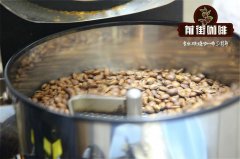
Principle and process of roasting coffee beans _ purpose and method of roasting coffee _ how to roast coffee beans
For more information on coffee beans, please follow the coffee workshop (official Wechat account cafe_style) roasting (Roasting): this heat treatment causes major chemical and physical changes in the structure and composition of raw coffee, causing the beans to darken and emit the characteristic aroma of roasted coffee. 1. The purpose of coffee roasting the main purposes of coffee roasting are as follows: A.

The basis of coffee: coffee roasting
Roasting: this heat treatment causes significant chemical and physical changes in the structure and composition of raw coffee, causing the beans to darken and emit the characteristic aroma of roasted coffee.

Common sense of roasting coffee
The most important step that affects the flavor of coffee is the method of baking. There are many factors that affect baking, such as climate, humidity, hardness and water content of raw beans. Because there are so many variables, baking experience is the most important key. Before roasting, raw coffee beans have a fishy smell, and after baking, they will emit a strong aroma. And the roasting degree of coffee beans (roas)

Coffee bean baking curve record table-Starbucks Italian roasted coffee beans
Coffee bean baking curve record table-Starbucks Italian roasted coffee beans pay attention to the changes in sound, color and taste. The degree of progress can be judged by listening to the sound, seeing the color and smelling the taste during baking. As the color of coffee beans continues to heat up, it changes from gray to golden yellow to light brown, and then to a trace of reddish brown, followed by a large amount of oil black.

General knowledge of coffee roasting introduction of coffee baking methods
Pay attention to the change in color and taste-the color of coffee beans will change from green to light brown as it continues to heat up, and then a slight reddish brown of oil will be produced, followed by a large amount of oil that is shiny dark brown. At this point, you can no longer bake, otherwise the coffee oil on the surface of the beans will dry and give off a lot of smoke and scorched smell. To sum up, coffee roasting is a science, the age of raw beans,
Some common sense of roasting coffee beans
The most important step that affects the flavor of coffee is the method of baking. There are many factors that affect baking, such as climate, humidity, hardness and water content of raw beans. Because there are so many variables, baking experience is the most important key. Before roasting, raw coffee beans have a fishy smell, and after baking, they will emit a strong aroma. And the roasting degree of coffee beans (roa)
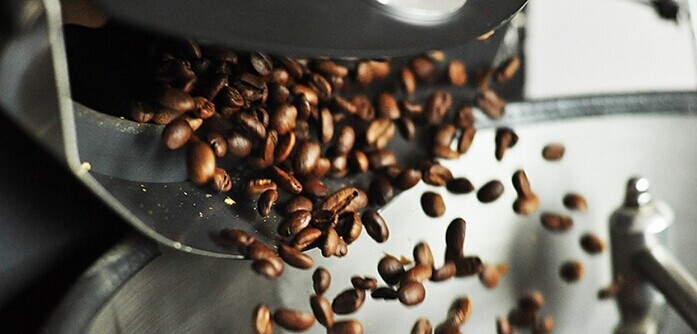
About coffee roasting, you need to know professional terms, terms related to coffee roasting, techniques.
Many customers who came to berries asked intellectuals about the baking degree of their coffee beans as soon as they entered the door. I told them that all intellectuals' beans were medium-baked, and they questioned this. I continued to ask intellectuals whether the beans came out at the end of the first explosion or at the end of the second explosion. I asked: do you think the medium-baked beans are at the end of the first explosion or the second explosion? The berry couple are only on the trainer.
Basic coffee roasting knowledge of fine coffee
The most important step that affects the flavor of coffee is the method of baking. There are many factors that affect baking, such as climate, humidity, hardness and water content of raw beans. Due to a lot of variables, the experience of baking is that the most important thing is that raw coffee beans have a fishy smell before roasting and give off a strong aroma after baking. And the roasting degree of coffee beans (roasti)

Eight common mistakes to be avoided in household coffee roasters guidelines for roasting coffee beans
Those who bake coffee at home know that it can change from a simple hobby to an obsession with everything in just a few weeks. It's like drinking a cup of fresh and delicious coffee at home and knowing that you are the coffee baker. However, experienced home roasters will also know that it has a steep learning curve. There are many common traps and obstacles, and many people over and over again
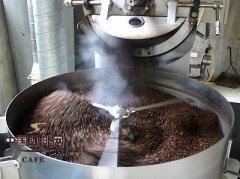
The roasting of coffee
Roasting: this heat treatment causes significant chemical and physical changes in the structure and composition of raw coffee, causing the beans to darken and emit the characteristic aroma of roasted coffee. 1. The purpose of coffee roasting the main purposes of coffee roasting are: a, aroma; B, to increase the complexity of coffee; C, to obtain color; D, to form a unique flavor of coffee. 2. Coffee roasting
General knowledge of fine coffee learning to roast coffee
The most important step that affects the flavor of coffee is the method of baking. There are many factors that affect baking, such as climate, humidity, hardness and water content of raw beans. Because there are so many variables, baking experience is the most important key. Before roasting, raw coffee beans have a fishy smell, and after baking, they will emit a strong aroma. And the roasting degree of coffee beans (roas)

The most important step in roasting Coffee Flavor
The most important step that affects the flavor of coffee is the method of baking. There are many factors that affect baking, such as climate, humidity, hardness and water content of raw beans. Because there are so many variables, baking experience is the most important key. Before roasting, raw coffee beans have a fishy smell, and after baking, they will emit a strong aroma. And the roasting degree of coffee beans (roas)
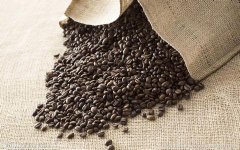
The roasting process of coffee is the direct heating of the roast.
To put it simply, baking is the direct heating of the baking. Unlike cooking, you don't need oil, water, salt or sugar to bake. Just put the raw coffee beans in a heat-resistant container, then heat them on the fire, stir the coffee beans constantly while heating, so that each bean is heated evenly, and stop heating when we reach the degree we want.

Basic knowledge of roasting Coffee
Roasting: this heat treatment causes significant chemical and physical changes in the structure and composition of raw coffee, causing the beans to darken and emit the characteristic aroma of roasted coffee. 1. The purpose of coffee roasting the main purposes of coffee roasting are: a, aroma; B, to increase the complexity of coffee; C, to obtain color; D, to form a unique flavor of coffee. 2. Coffee roasting
Basic knowledge of roasting coffee with boutique coffee beans
The most important step that affects the flavor of coffee is the method of baking. There are many factors that affect baking, such as climate, humidity, hardness and water content of raw beans. Because there are so many variables, baking experience is the most important key. Before roasting, raw coffee beans have a fishy smell, and after baking, they will emit a strong aroma. And the roasting degree of coffee beans (roas)